NeighbourhoodPost.org is an independent local information archive. Content is for informational purposes only.

Canada — Local Information Archive

Where Canadian neighbourhoods stay informed

Community notice boards and neighbourhood guides document what matters at the block level — lost pets, local events, zoning notices, and the kind of information that rarely appears in regional news coverage.

Recent coverage

Updated May 2026

Notice boards as civic infrastructure

In hundreds of Canadian towns and urban neighbourhoods, physical bulletin boards at transit stops, community centres, and local libraries handle a volume of resident communication that no single digital channel has replicated. Understanding how these boards are organized, maintained, and regulated gives residents a clearer picture of how local information actually moves.

Read the full piece
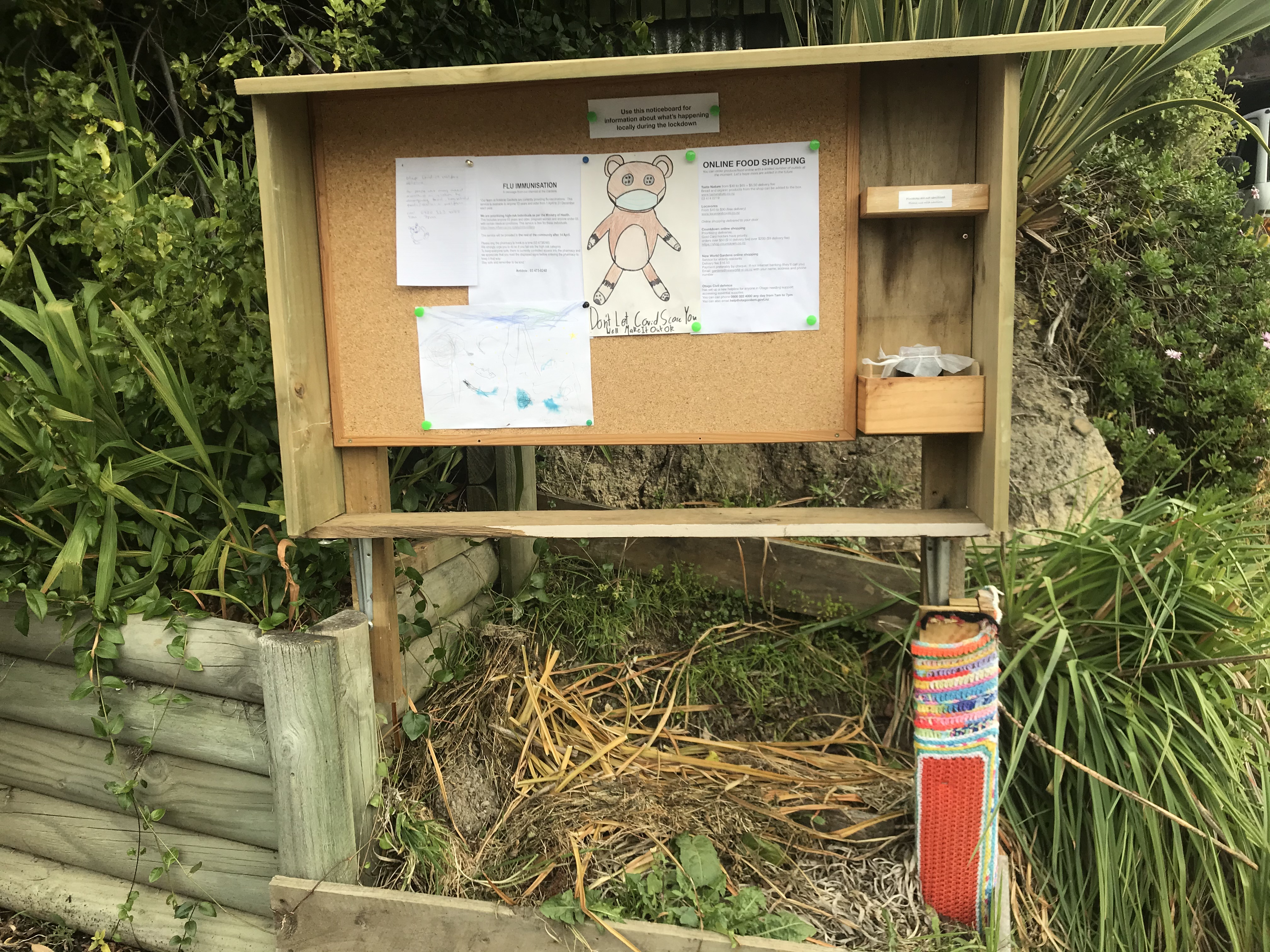
A public noticeboard covered in local community announcements

What this archive documents

Three areas of hyperlocal communication that rarely receive sustained, structured attention from regional media.

Community Notice Boards

Physical boards at transit shelters, laundromats, grocery stores, and libraries. Who maintains them, what municipal bylaws govern them, and how posting protocols vary across Canadian municipalities.

Neighbourhood Guides

Resident-produced or BIA-funded guides covering local businesses, transit routes, parks, and community resources. How they're structured, distributed, and kept current in changing neighbourhoods.

Local Information Networks

The informal channels — neighbourhood Facebook groups, Nextdoor boards, community email lists, and building notice boards — that supplement official municipal communication in Canadian cities.

How Canadian municipalities manage local posting

Regulations around community posting vary considerably from one city to the next. Poster size limits, time restrictions, permit requirements, and designated posting zones all differ between municipalities — and between different zones within the same city.

  • Toronto's Street Works By-law limits poster dimensions on utility poles to 28 × 43 cm
  • Vancouver's neighbourhood houses coordinate board space through community associations
  • Ottawa's community information centres maintain curated boards with monthly audits
  • Montreal's arrondissements set their own posting guidelines independently
  • Calgary parks facilities provide covered bulletin boards with weekly turnover schedules
  • Halifax Regional Municipality designates specific kiosk locations for public notices
Read about local networks

The neighbourhood guide as a community document

Neighbourhood guides produced by resident associations and Business Improvement Areas in Canada range from single-page folded maps to 40-page booklets. The most effective ones are built around resident input rather than advertiser priorities — and they get updated at least once a year to reflect the neighbourhood as it actually exists.

Read the guide

Have something to add?

Local knowledge about community boards, neighbourhood guides, or resident information networks in your Canadian city or town can be submitted for editorial consideration.

Get in touch